


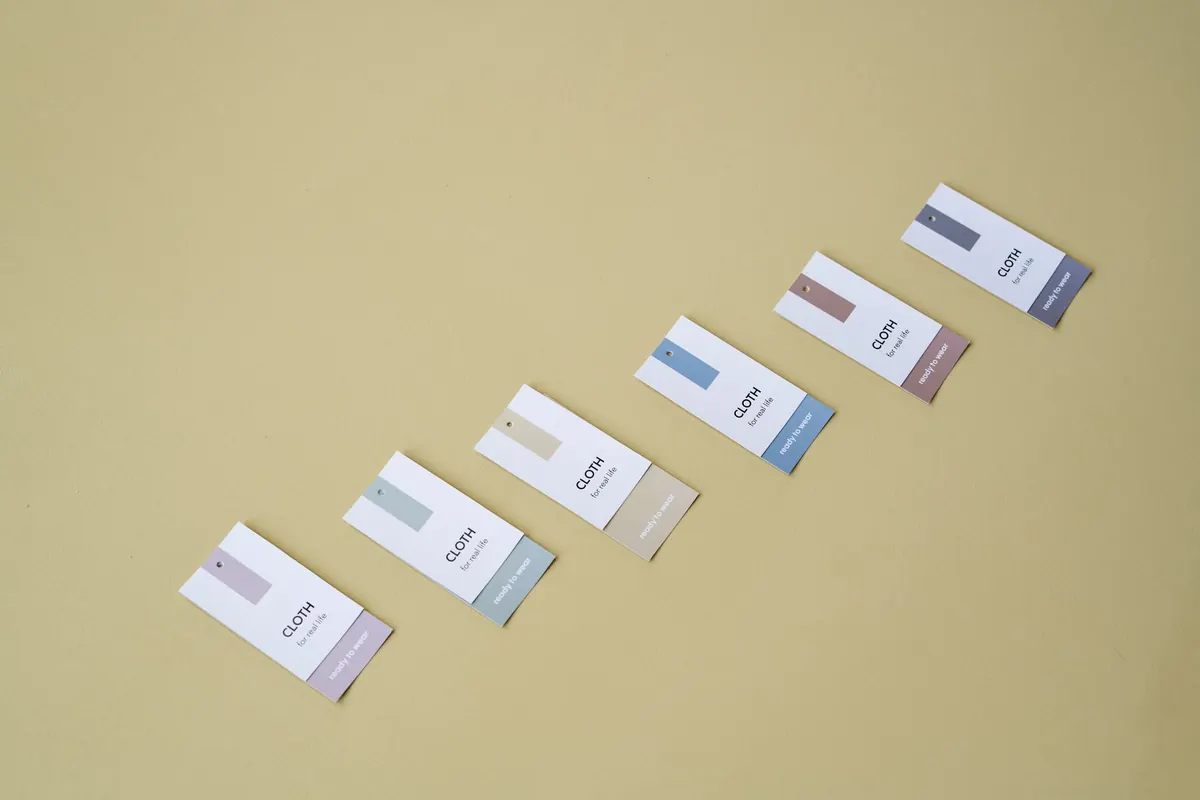
Greenwashing rarely announces itself. It arrives as a soft beige tag, a font that looks hand-drawn, and a promise to "do better for the planet." Some of it is deliberate deception. Much of it is a marketing team reaching for words that sound right. Either way, the result is the same: you pay a premium, and very little changes.
The good news is that most green claims fall apart under about five minutes of scrutiny. The ones that survive tend to be specific, verifiable, and slightly boring. Here is how to tell the difference before you reach the checkout.
1. Start With Certifications, Not Slogans
A logo on a hangtag means nothing until you know who issued it and what it actually covers. Real third-party certifications can be looked up in a public database, and they name the standard, the version, and the scope of the audit.
The common ones are worth knowing. GOTS covers organic fibre along with environmental and social criteria through processing. OEKO-TEX Standard 100 tests for harmful substances in the finished textile, which is not the same as being made responsibly. bluesign focuses on chemical management and resource use at the mill level. The Global Recycled Standard and the Recycled Claim Standard verify recycled content. Fair Trade Certified addresses labour and farmer premiums, not materials. B Corp certifies an entire company, not a specific T-shirt.
So match the badge to the claim. If a brand says "organic," you want GOTS or an equivalent, not a certification about dye safety. Then search the certifier's own database rather than trusting the tag, and check the spelling of the logo. Lookalike marks are a known trick.
2. Read Material Claims Like a Label Detective
"Eco-friendly fabric" tells you nothing. "Natural" tells you even less. Cotton is natural, and conventional cotton is one of the thirstiest, most pesticide-intensive crops grown. Last season's polyester is still plastic, no matter how the sentence is phrased.
Words worth flagging on a product page:
- Conscious, responsible, green, planet-positive — adjectives doing the work a fact should be doing.
- Made with recycled materials — how much? Thirty percent recycled means seventy percent is not.
- Bamboo — most bamboo fabric is viscose, made by dissolving the plant in harsh chemicals. Lyocell from bamboo is a different, closed-loop process. Ask which one.
- Sustainable blends — a 50/50 cotton-polyester mix is genuinely hard to recycle, so "sustainable" is doing heavy lifting there.
What you want instead is names and numbers: GOTS-certified organic cotton, GRS-certified recycled polyester, lyocell, linen, hemp, traceable merino. If the fibre is named but the certification is not, you are reading marketing copy.
3. Ask Who Made It, and Where
Supply chains have layers. There is the factory that sews the garment, the mill that wove or knitted the fabric, and the farms or chemical plants behind the fibre. A brand that publishes a supplier list at the first two levels is giving you something to work with. A brand that says "our trusted partners" and stops there is asking for your trust without earning it.
Public tools exist for this. Fashion Revolution publishes an annual transparency index, and Open Supply Hub maps factories by name and location. Worth knowing: disclosure is not the same as performance. A company can reveal a mediocre supply chain and still rank well for honesty. But a refusal to name any supplier is itself information.
4. Watch for the Limited-Edition Escape Hatch
Many brands now sell a small "conscious" capsule alongside a much larger core range that has not changed at all. Ask what share of the collection this represents, and whether the baseline is improving year on year. If the answer is a percentage in the low single digits, you are looking at a marketing exercise with a nice photoshoot.
Deadstock and surplus fabric deserve a fair hearing. Using already-produced cloth does avoid new material, but quantities are limited and one-off by nature, which makes it a useful patch rather than a solution. It is also sometimes just unsold stock from the same supply chain, relabelled.
5. Question Carbon Neutrality and Offsets
A "climate neutral" claim usually means the company bought offsets, not that its emissions fell. Offsets can play a part in a serious climate plan, but they are not a substitute for cutting.
Look for an absolute reduction target with a deadline, confirmation that it covers the supply chain, where the vast majority of a fashion brand's emissions sit, and whether it has been validated by a recognised body. If the only evidence is a badge and a tree-planting partnership, you have a slogan, not a strategy. Regulators in several regions are tightening the rules on these claims, but enforcement is slow, which is exactly why your own check matters.
6. Check What Happens After You Buy
The most sustainable garment is the one you already own and keep wearing. So the promises that matter come after purchase: repair services, spare buttons, resoling, and take-back schemes that genuinely recycle fibre rather than downcycling it into insulation or wiping cloths.
"Recyclable" without anywhere to take it is a nice idea. "Compostable" generally requires industrial composting that most people have no access to. And a garment that needs dry cleaning after every wear carries a hidden cost that no hangtag mentions.
Your Seven-Point Check Before You Buy
- Find the certification. Verify it in the certifier's database and note what it does and does not cover.
- Replace vague words with specific ones: organic cotton, recycled polyester, lyocell, linen, hemp, traceable wool.
- Look for percentages. "Made with recycled content" is weaker than "70% recycled."
- See whether the brand names its suppliers, at least the sewing factory and the mill.
- Compare the green collection with the rest of the range. If the core line has not moved, call it what it is.
- Read the climate claim for a dated reduction target, not just offsets or a badge.
- Ask what happens at the end: repair, spare parts, take-back, and whether the fabric can realistically be recycled.
No brand passes all seven, and you do not need it to. The point is to know what a claim actually means before you decide it is worth paying for. If you think a specific claim crosses the line into misleading advertising, consumer rules differ by country, so a local consumer organisation is the right place to ask rather than reading a tag at face value.
Photo: Ron Lach / Pexels