



The best vintage streetwear rarely shows up in a search ad. It lives in a basement shop off a side street, a folding table at a Sunday market, and a two-day pop-up announced in a story that vanishes by midnight. Finding those places takes legwork, and the legwork is half the fun. Once you know how to look, you can rebuild that map in almost any city.
Start With the Shops You Already Walk Past
Before you open a search engine, think about the businesses that already sit near vintage clothing. Skate shops, record stores, tattoo studios, barbershops, and independent coffee bars tend to cluster with resale. The owner of a skate shop often knows who's selling a rack of Nineties tees out of a storage unit, and there is usually a flyer taped up by the register.
Walk those blocks slowly. Read the noticeboards, the window stickers, the flyers stacked by the door. A store that mostly sells new sneakers might still keep a small consignment rack in the back. Ask. Staff at independent shops are used to the question and usually answer it honestly.
Search Like a Local, Not a Tourist
Generic searches return the same handful of tourist-facing stores. Sharpen your terms and you'll find the places locals actually use.
- Use neighborhood names instead of city names. Searching for a district plus "vintage streetwear" beats a city-wide search almost every time.
- Try synonyms separately. Run individual searches for "thrift," "consignment," "resale," "secondhand," "swap meet," "flea," and "archive." Each one surfaces a different set of results.
- Follow the hashtags for your area. Local sellers tag their city, their district, and the market they're vending at. Save those tags and check them weekly.
- Join local subreddits and Facebook groups. This is where market dates, pop-up announcements, and honest reviews of shops worth the trip get posted first.
- Check venue calendars. Community halls, art spaces, breweries, and warehouses list weekend markets and one-off sales on their events pages.
Build a Weekend Circuit, Not a Wishlist
Vintage shopping rewards repetition. Pick two or three spots within walking distance of each other and go on the same day each month. You learn which vendors restock on Fridays, which ones hold back the good pieces, and who is willing to talk about what's arriving next week.
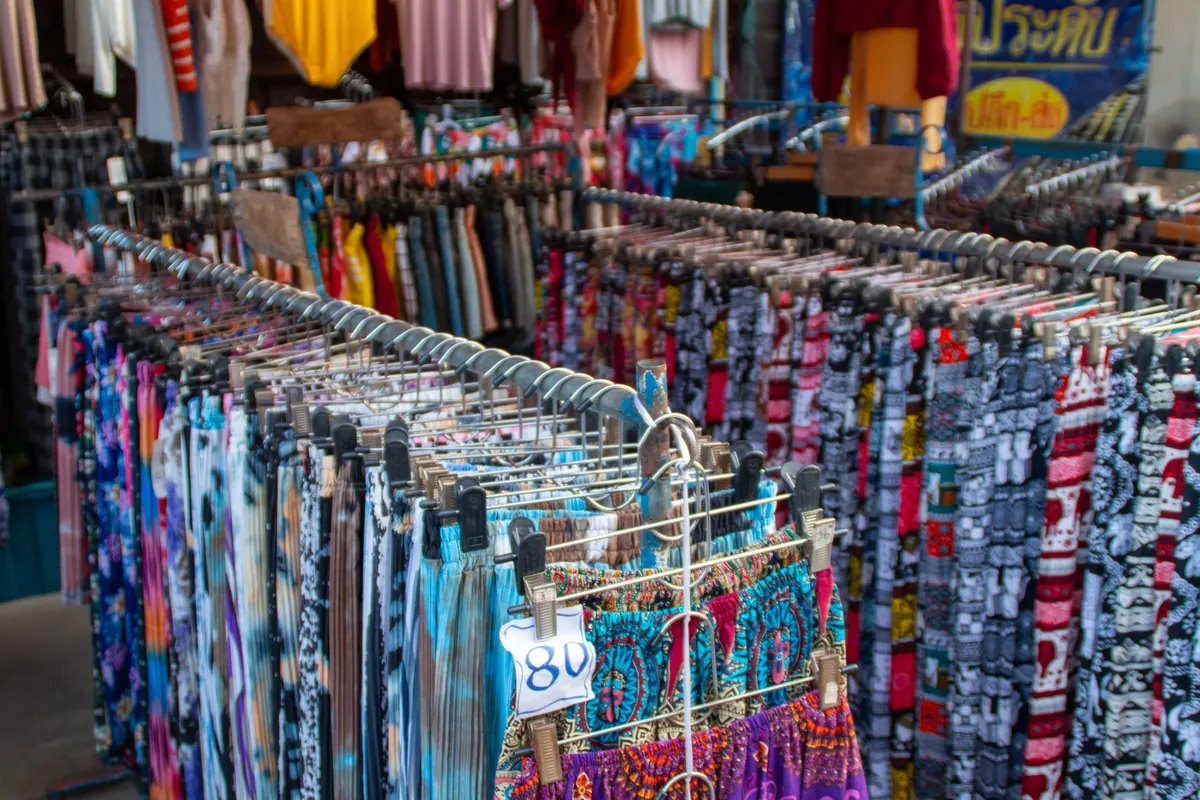
A practical circuit might look like this: an indoor flea market early, while the tables are still full; a permanent vintage shop mid-morning, when staff have time to chat; a consignment store in the afternoon, after the first rush has thinned. Add a coffee stop. It's a few hours, not a whole day.
Bring cash in small notes, a tote, and the measurements of a jacket that fits you well. Market sellers don't always have a card reader, and you'll want to check a pit-to-pit measurement rather than guess.
Pop-Ups Reward People Who Pay Attention
Pop-ups are short by design. A rack in a barbershop for one weekend, a garage sale run by three collectors, a brand archive sale in a rented studio. They spread through word of mouth and social posts rather than advertising, so the way to catch them is to follow the people who run them.
Follow local resellers, small streetwear labels, and market organizers, not just the large accounts. Turn on notifications for the handful you care about most. Check stories, because that is where dates land first. If a pop-up keeps a mailing list, join it; that is usually how the next one gets announced.
Go early on the first day if you want the rare pieces. Go late on the last day if you're hunting a deal, since vendors would rather sell than pack. Neither approach is wrong — just decide which you want before you leave the house.
Judge the Rack Before You Judge the Piece
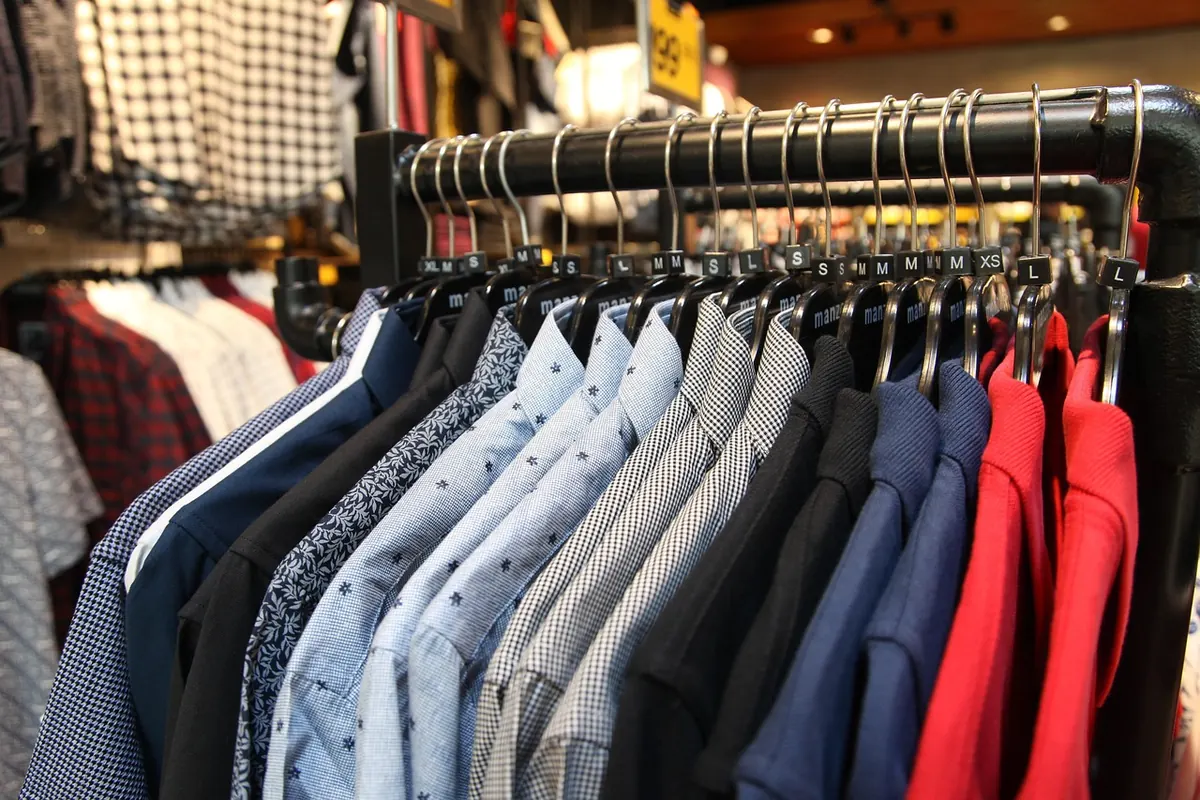
A shop or stall tells you a lot before you touch anything. Look at how garments are hung and labeled, whether measurements are listed, and whether the seller can tell you the era or the brand's history without bluffing. Good vintage sellers know their stock.
When you find something, check it properly:
- Look at the tag. Care labels, country of manufacture, and font styles are useful clues to age — treat them as clues, not proof.
- Check the seams and underarms. Hold the piece up to the light. Thin patches, yellowed pits, and repaired hems are common and sometimes fine, but they should be reflected in the price.
- Try it on or measure it. Vintage sizing runs unpredictable, and a marked size tells you less than a chest measurement.
- Ask about flaws directly. A seller who points out a small stain is a seller worth returning to.
- Decide before you negotiate. Know your ceiling and stay comfortable walking away.
Make It a Habit
The people with the best vintage wardrobes aren't lucky; they're consistent. They visit the same market every few weeks, they're friendly to the vendors, and they buy when something fits rather than when they're desperate.
Keep a note on your phone with the shops, markets, and sellers you like, plus the dates they restock or vend. Message a shop before a long trip to confirm opening hours, since small operations change them often. And when you find a place you love, tell the person running it — small vintage businesses live on regulars. Bring a friend next time. That's how a store becomes your store.
Photo: hapis / Pixabay